
Can Probiotics Make Bloating Worse Before It Gets Better?
Many people start probiotics hoping to reduce bloating—only to feel more bloated a few days later. That reaction often leads to doubt and frustration, especially when digestion seems to move in the wrong direction.
So, can probiotics make bloating worse before things improve? In many cases, yes—and this short-term change isn’t always a bad sign.
Key Takeaways
Probiotics can temporarily worsen bloating during early gut adjustment
Increased gas is often caused by short-term fermentation changes
Symptoms usually stabilize within one to two weeks
Persistent or worsening discomfort may signal a poor probiotic fit
Why Bloating Can Increase When Starting Probiotics
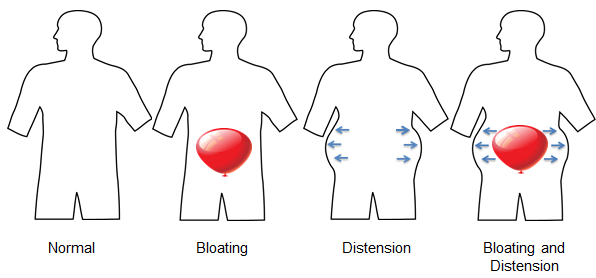
Bloating and distension describe different types of digestive discomfort that may feel similar.
Probiotics introduce new bacteria into the gut, and that shift doesn’t happen quietly. As incoming bacteria interact with existing microbes, digestive activity can temporarily increase.
This often leads to:
- More fermentation in the gut
- Increased gas production
- A feeling of pressure or fullness
This is why some people notice bloating shortly after starting probiotics.
If this reaction feels confusing, we explain the underlying reasons in detail in our guide on why probiotics can cause bloating.
Is This a Normal Adjustment Phase?
For many people, yes. A short-term adjustment phase is widely recognized when changing gut bacteria.
During this phase:
- Digestion is adapting to new microbial activity
- Gas levels may temporarily rise
- Symptoms often stabilize on their own
Not everyone experiences this, but for those who do, it’s usually brief.
If you’re wondering how long this adjustment phase usually lasts, we outline the typical timeline in a separate guide.
You can also follow the full step-by-step framework in our Men’s Bloating & Probiotics Guide.
How Long Does the “Worse Before Better” Phase Usually Last?
This is the question most readers care about.
In general:
- Mild bloating may last a few days
- Noticeable discomfort can extend into one or two weeks
- Improvement is often gradual, not sudden
What matters most is the trend. If symptoms slowly ease or stabilize, the gut may still be adjusting. Clear improvement often follows rather than arriving overnight.
When Bloating May Be a Sign the Probiotic Isn’t a Good Fit
Not all worsening symptoms should be ignored.
Bloating may signal a poor fit if:
- Discomfort continues to intensify over time
- There are no signs of stabilization
- Daily comfort noticeably declines
This doesn’t mean probiotics are “bad.” It usually reflects individual differences in gut sensitivity and baseline bacteria.
We explain why men can respond differently to probiotics based on gut sensitivity, bacteria balance, and diet.
What Men Can Do to Reduce Bloating During This Phase
Simple habits can help make the adjustment period more manageable:
- Start low rather than aggressively
- Take probiotics with meals
- Avoid stacking multiple gut supplements at once
- Be consistent instead of frequently stopping and restarting
These steps support steadier gut adaptation without adding extra stress.
Should Men Stop Probiotics If Bloating Gets Worse?
There’s no single yes-or-no answer.
- If bloating is mild and stable, observing for a short period may be reasonable
- If discomfort is worsening or disruptive, stopping or reassessing may make sense
Paying attention to how symptoms change over time is often more useful than reacting to the first few days.
The key question is not whether bloating appears, but whether it stabilizes or escalates over time.
FAQ
Can probiotics make bloating worse at first?
Yes. Temporary bloating can occur during early gut adjustment.
Is worsening bloating a bad sign?
Not always. It may reflect short-term fermentation changes.
How long should men wait before stopping probiotics?
Many people observe symptoms for one to two weeks unless discomfort escalates.
Does everyone experience this phase?
No. Some people notice improvement without any initial discomfort.
For men comparing different probiotic options, understanding these reactions can make choosing the right formula less frustrating.
This article is for informational purposes only and does not replace professional medical advice.
Conclusion
When probiotics make bloating feel worse at first, it doesn’t automatically mean something has gone wrong. Short-term discomfort can be part of how the gut adapts to change.
Understanding the process helps reduce unnecessary worry. In many cases, calm observation and patience are more helpful than rushing to switch products or abandon probiotics altogether.